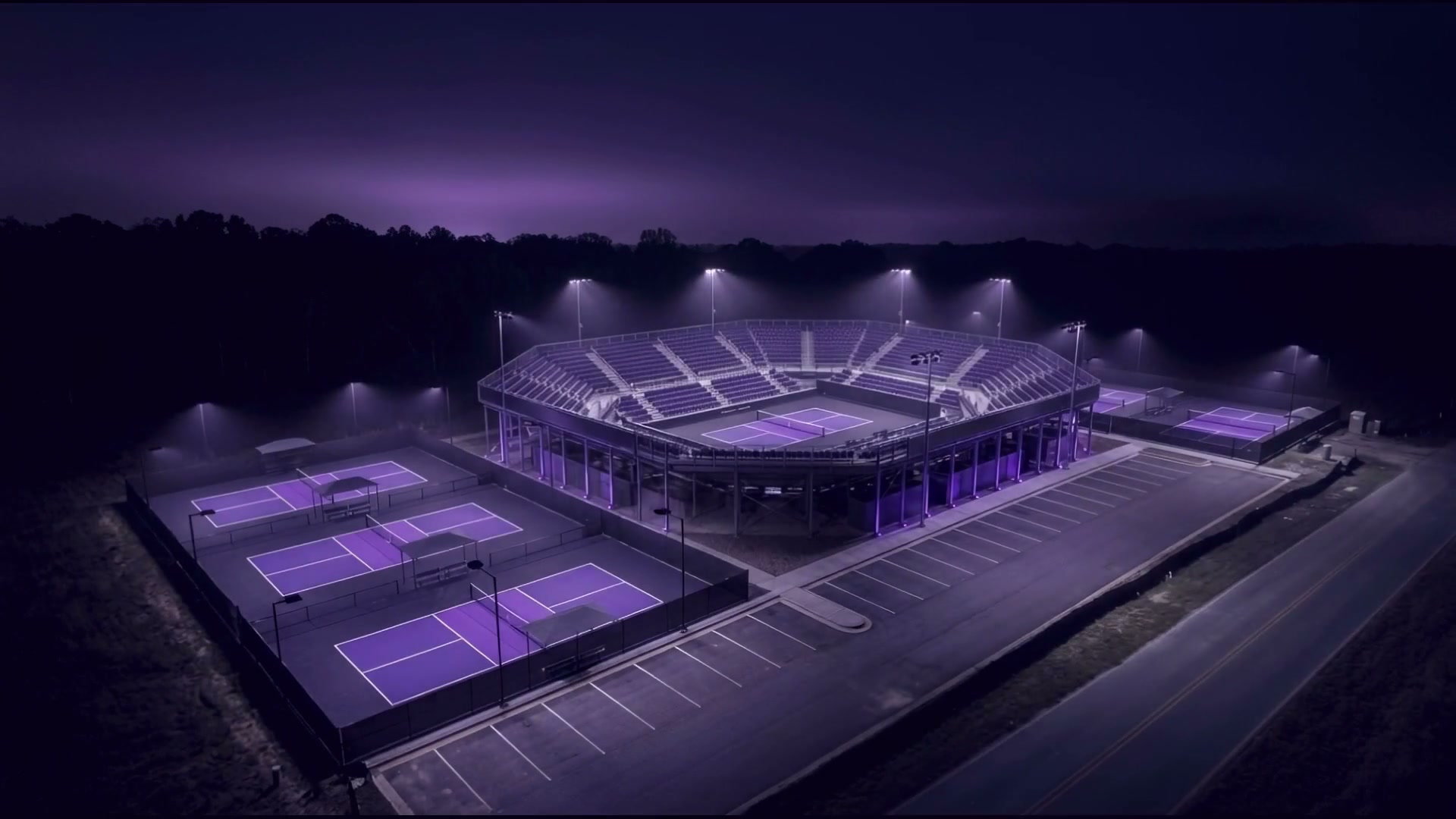
Most facilities are built to open. Ours are built to earn.
Plan, build, and launch your pickleball facility with the world's best players, Ben and Collin Johns.
Facilities we've built from the ground up








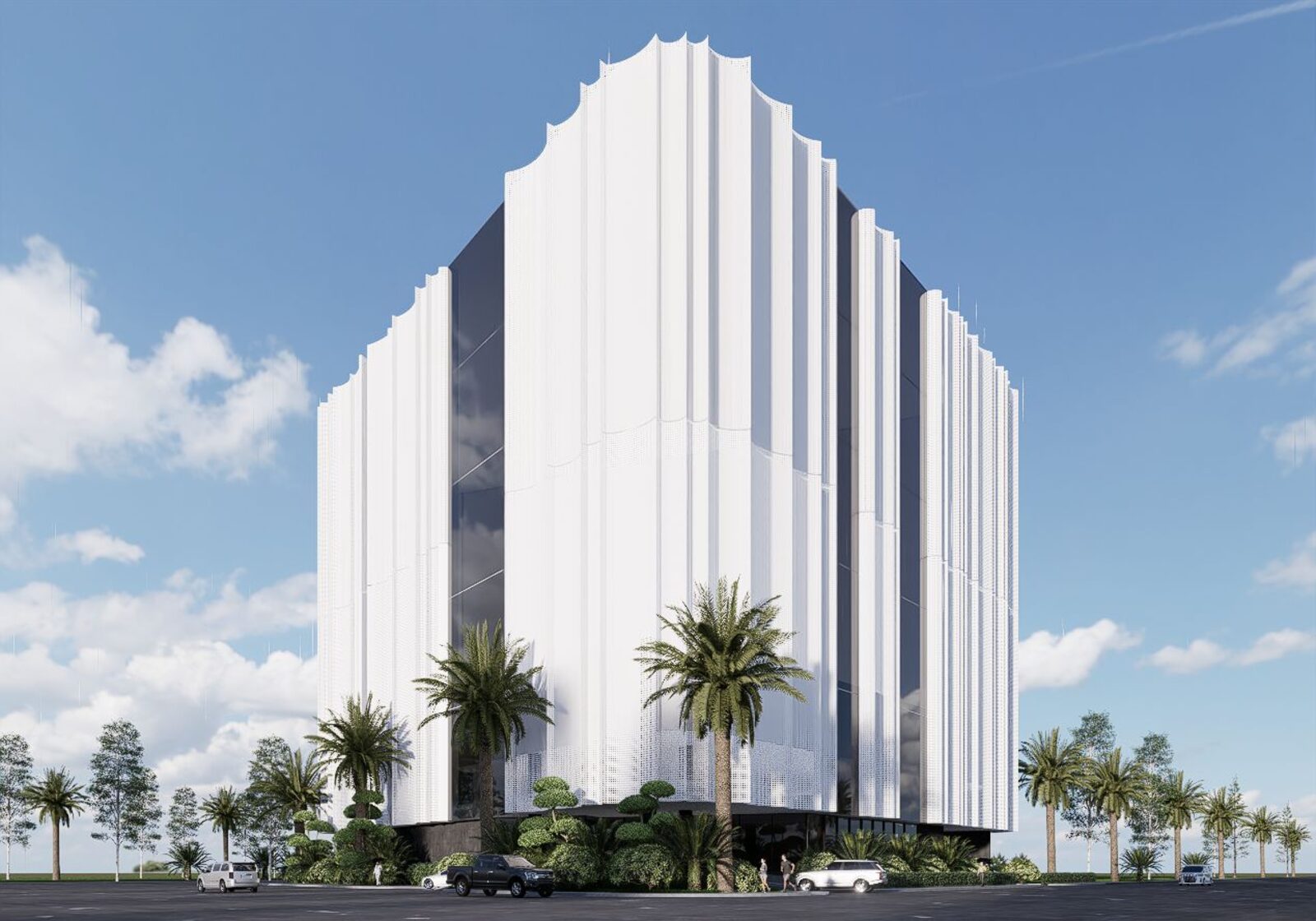
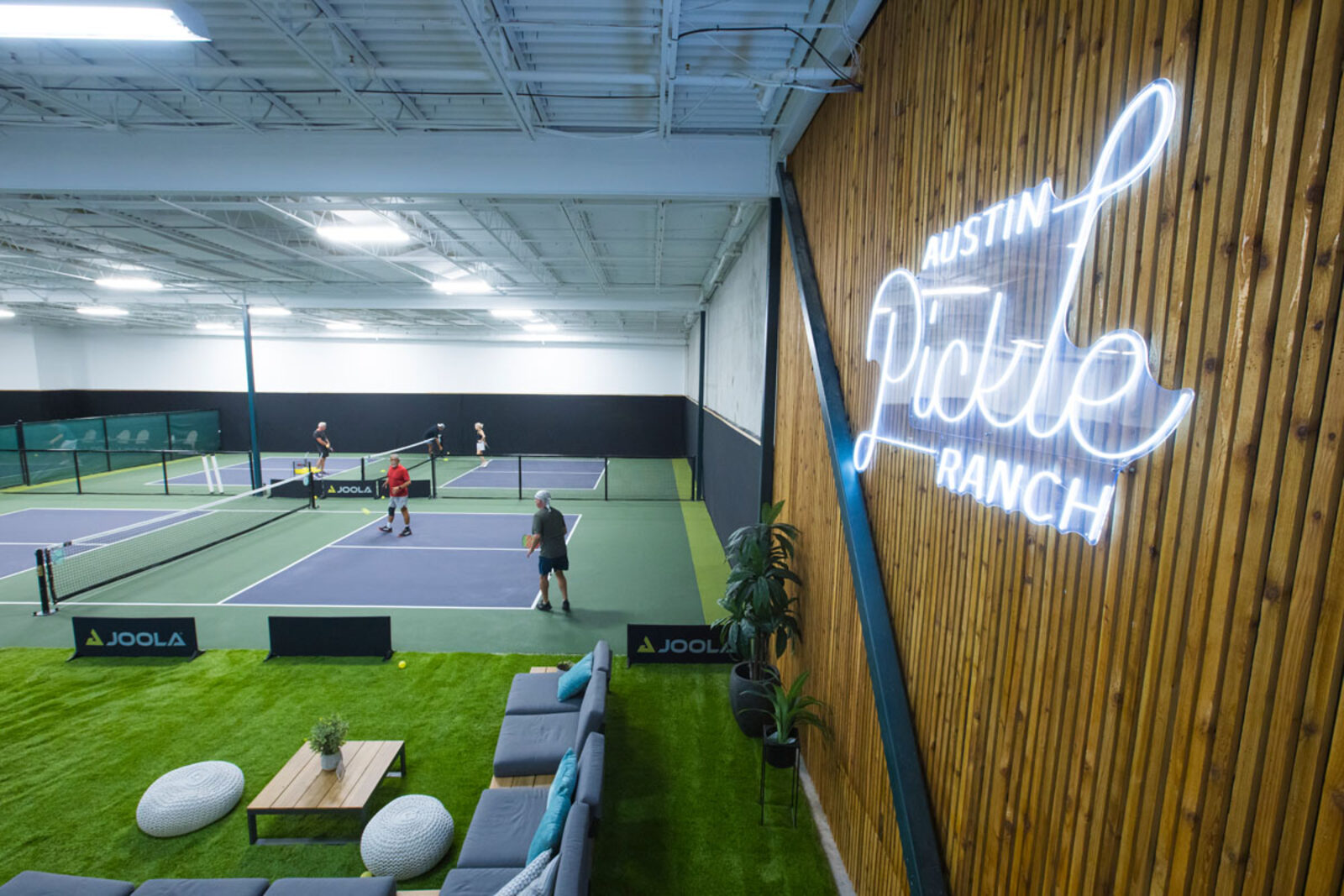
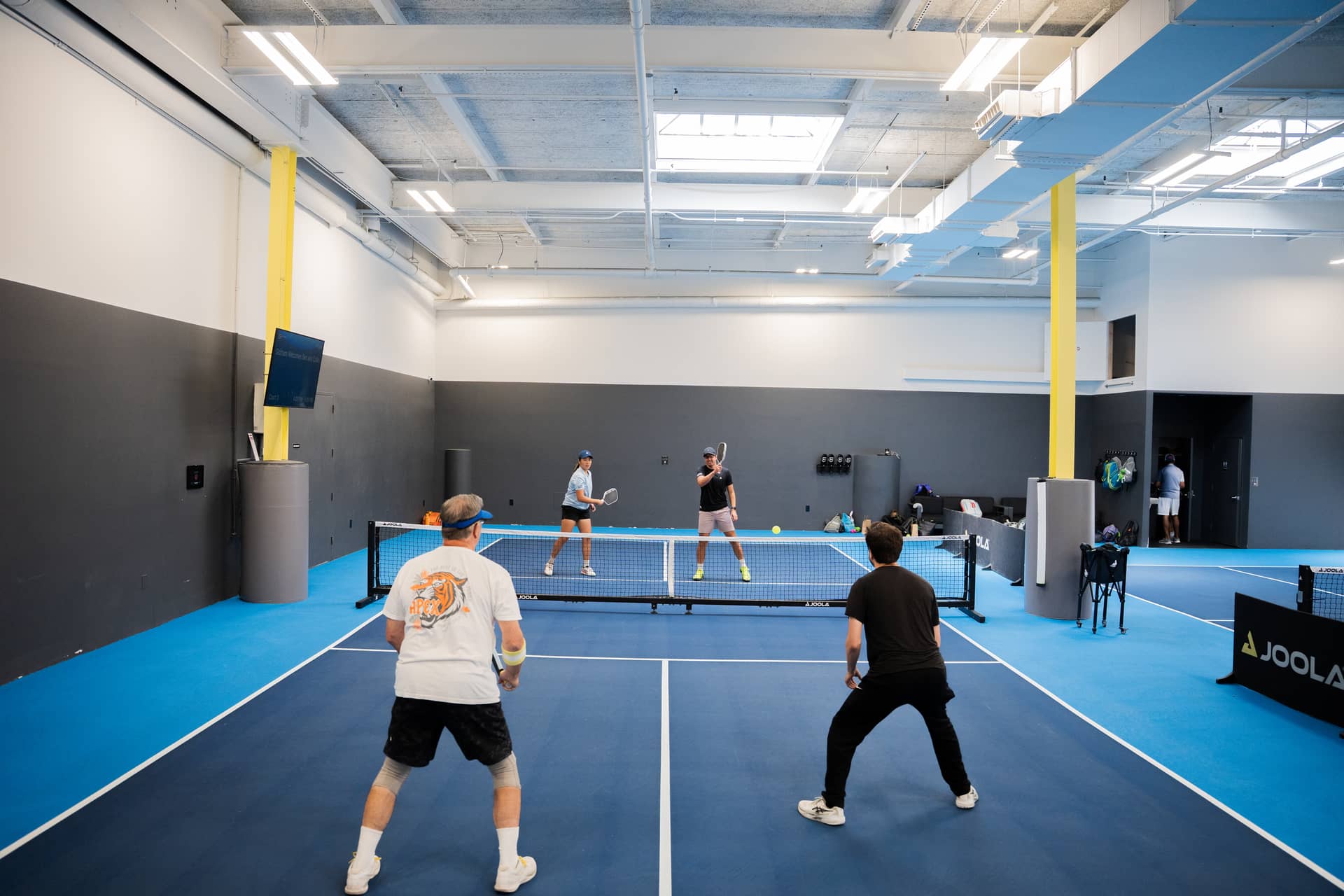
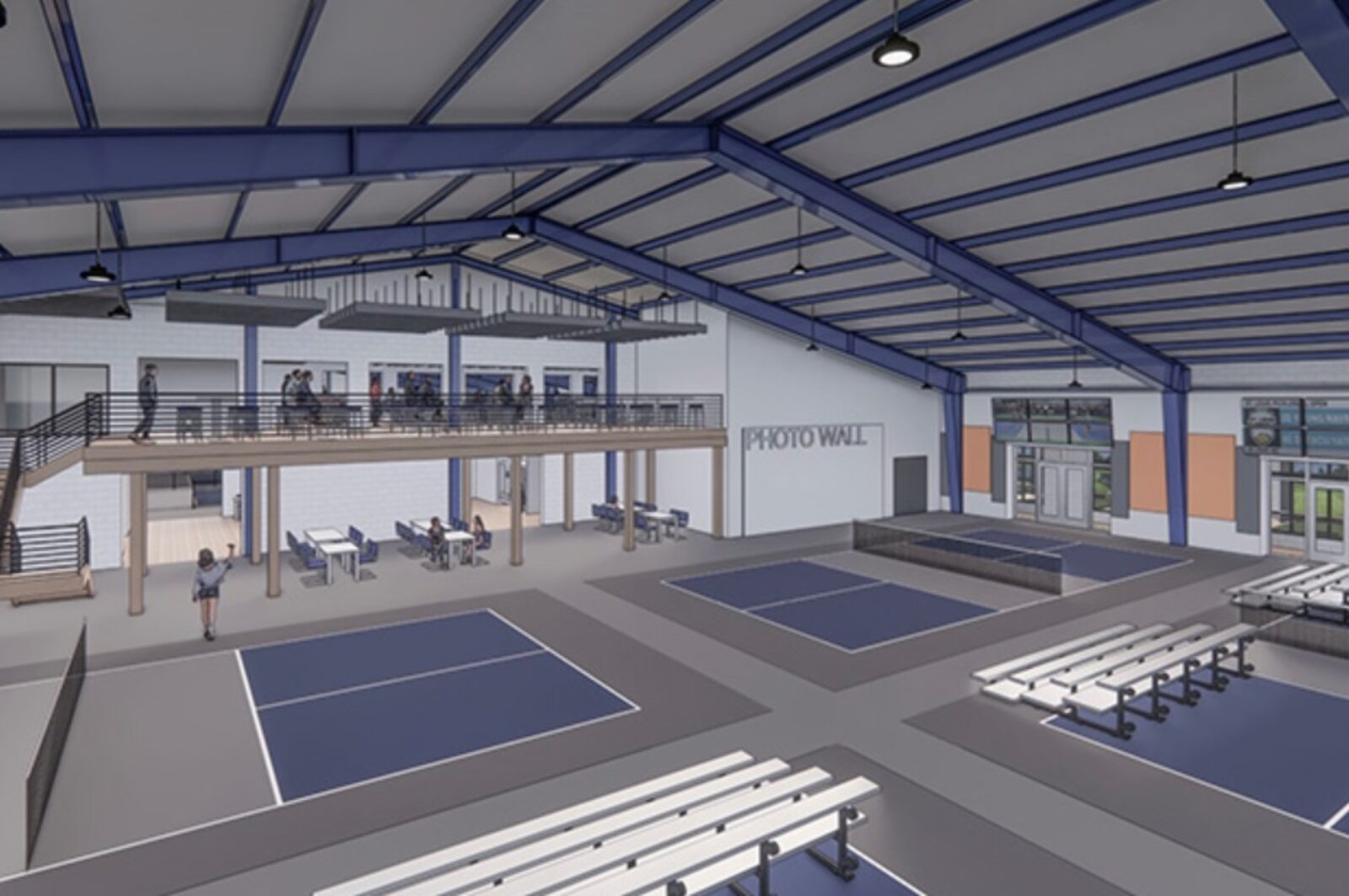
Pickleball facility design and construction services.


Hear it from our team.
What working with JDC actually looks like, from the people on the courts.
Transcript: The logistics of building a facility
So when first considering building a pickleball facility, because I know we have tons of those people, most of our inquiries into JDC are: I'm thinking about building a pickleball facility, what should I be thinking about first on go, no go? Should I do this or not? What should I know? What are the must-knows of that?
Yeah, before you get to the fun stuff, you really have to consider the basics. And that all starts with the financials of something like the lease, the real estate, the operating cost. Where are you going to be operating out of, and what is a comparable rate to the piece of land that you have? And how accessible is it to people? Because you see so many failure stories now where people are opening facilities and they're losing their shirt on their lease every single month. It's so hard to recover from that. And if you don't have basic blocking and tackling where you can negotiate something good with a landlord, you're just going to be battling uphill the whole time. No matter how good your facility is, you're just going to be bleeding money, especially at the start. So we try to make our JDC facilities profitable by the first month, the second month, where very early on, the operator feels very good about where things are headed. And everything else after that becomes gravy. It's such an important thing out of the gates. And it all starts with the operating cost and the lease. Get your head above water immediately.
I'd say there's nothing worse than having to do financial stuff in the dark, where it's all guesswork. You're like, I don't know what a lease should cost. I don't know what my projected revenue is going to be. And you're like, ah, let's have a whack at it and see what happens. That's a bad way to go. That's a bad way to do it, for sure. So what I really like about JDC, when I look at it from a financial perspective, is you can go based on our other clients to a new client and be like, okay, we have this facility that looks like a similar lease to yours. Here's what they pay. Here's what the revenue is after month three. Here's what it is after year one. You have projections. You have an idea. You're not in the dark anymore. You know approximately what's probably going to happen based on geographically where you're at, what type of facility you're building, how big is it, what are you paying, what kind of revenue do you need? Is it a good deal or a bad deal? And you can only know that if you have projections of past previous history. What is it most likely going to look like? So that's super important. And I never like to send anybody into anything financial in the dark. That's why I think it's really important to have some idea of where you're going and what you should be looking for.
So if you're someone who's thinking about building or operating a pickleball facility and you're interested in what JDC has to offer, you can find us at jdcpickleball.com.
Transcript: What it's like to work with JDC
So West, what does it look like to be a JDC client?
We'll go in, figure out that business model with the client, figure out what that price point needs to be, run the pro formas, run the models, and figure out, alright, this is what we feel comfortable doing. Does it still make sense to move forward on a real estate deal or transaction? So with that, we let the client make the decision on their own based on our experience. They say, yes, let's move on. We say, fantastic, let's start designing this facility.
So many times, most clients don't even have a brand kit, they don't have a website, they don't even know where to start. The good news is we have all those vendors on hand. We can help anybody design, do their 3D renderings of their facilities, put together their brand kit, logos, website, you name it, and help them get started on the marketing side.
And then when it comes to actually developing and building those courts, we've got incredible partnerships with technology partners like PodPlay, and lighting with LSI. We actually have our own new court builder now that'll go out and surface and build all the courts for your facility as well. So that's actually done through JDC. And then we have all of our vendors for all the finer details. What do the light fixtures in your facility look like? What does the furniture look like? Fencing solutions, you name it. And we build it to whatever our client wants. It's this blend of what the client desires and what the market wants, and we build something specific for that. So no two projects are the same. Actually, to date, I don't even think we have the same court colors, because again, clients want what they want.
No cookie cutters here, West.
There are zero cookie cutters in our business.
To learn more about JDC, go to jdcpickleball.com.
Transcript: How JDC supports clients after development
We go through, we help develop the facility, and then once it gets to about 90 days out from opening, we'll go out, hire all the staff, train all the staff. We do a three-day intensive training where we implement our RPO certification. Then we teach them on our core pillars of programming that we've designed specifically for that facility, and then we bring in customers to actually do dry runs through the curriculum so that they're not just opening and winging it.
I mean, I cannot tell you how many times. Winging it goes poorly sometimes.
Oh my goodness. And it's just rampant throughout the industry. It's just like, oh my god, we finished painting the courts yesterday, it's time to open the door. Full send. Full send.
And I did the same thing when I was a facility operator, and so I look at all the things that I needed help on when I first started building a facility, and try to identify those needs and fill those needs with what we offer here at JDC, whether it's court construction, pro forma building, vendor management, how-tos on anything, how do I even market? Those are all things that we work on on a daily basis with clients.
Gosh, West, what don't we do?
We don't own them. We don't do that. And we don't do gross royalty fees.
Nice. I like to hear that.
To learn more about JDC, go to jdcpickleball.com.
Transcript: The ideal facility of the next 5 years
What does the ideal facility look like in the next five years?
Ideal facility, I'd say, largely depends on what it is actually targeted towards. Because some people, they say ideal facility, and they're like, is it just ideal to play at, or is it ideal for going to socially hang out? Because I feel like a lot of facilities are doing that these days and being very successful doing that. Is it an ideal facility for professionals? Because I think those are very different things with different targets, and they can all be done successfully, but you're aiming for different things.
So I think for pros, you're prioritizing: okay, what is just a premium play experience to where pros are going to be perfectly satisfied with that? I'm talking a grand amount of space, really good sight lines, no visual distractions, the right kind of surfacing, a good amount of grit level on the surface, cushion, no cushion, you know, just doing things at a very professional, elite level. Whereas something like social, I would say, it's much more important to have, say, social gathering areas. A championship court isn't as necessary. Spacing is great, but it's not going to be quite as needed to have a huge court like you do at pro level. And then with social, it's just more about the overall experience rather than just the pickleball experience, I guess we'll say. So kind of tying all of those things together.
I feel like, yeah, and the layout is going to become so important when you start to host a really big tournament and you want that high performance experience that you just referenced, but also something like the layout to where these tennis facilities that have been around a long time, they know exactly where the players are going to come in, where they're going to go out. Designed facilities have that same sort of vibe from tennis. So I think we'll probably see a lot more of that, where they're designed from the ground up to be like that.
It's almost like you don't notice how well something seamlessly flows at an event until it's gone, until you don't have it. You're like, wow, this is terrible. There's been some type of facilities where I'm like, there's exactly one walkway to get to the court I need to be on, and it's about five feet across with thousands of people at the event. I'm like, well, what do I do now?
To learn more or connect with us, you can go to jdcpickleball.com.
The people who bet on getting it right.
We are partnering with Johns Design & Consulting to build the premier pickleball facility in SE Asia. JDC has been very hands-on, not only in the design process, but also in curating our programming and introducing us to the right partners.
Kim Lapus
CEO and Founder, Helios Pickleball, Manila

JDC has been absolutely essential. What sets them apart is the seamless integration of business strategy, creative branding, and operational insight, all rooted in unmatched pickleball expertise. Not external consultants. True partners.
Ari Saposh
Founder and Owner, PB Club, Jersey City

Johns Design & Consulting is an essential partner for any pickleball project. They advise on everything from location and lighting to player experience and atmosphere, and they significantly de-risk your project. They are worth every penny.
Geoff Bourgeois
CEO and Co-Founder, Palmera Pickleball, Nicaragua

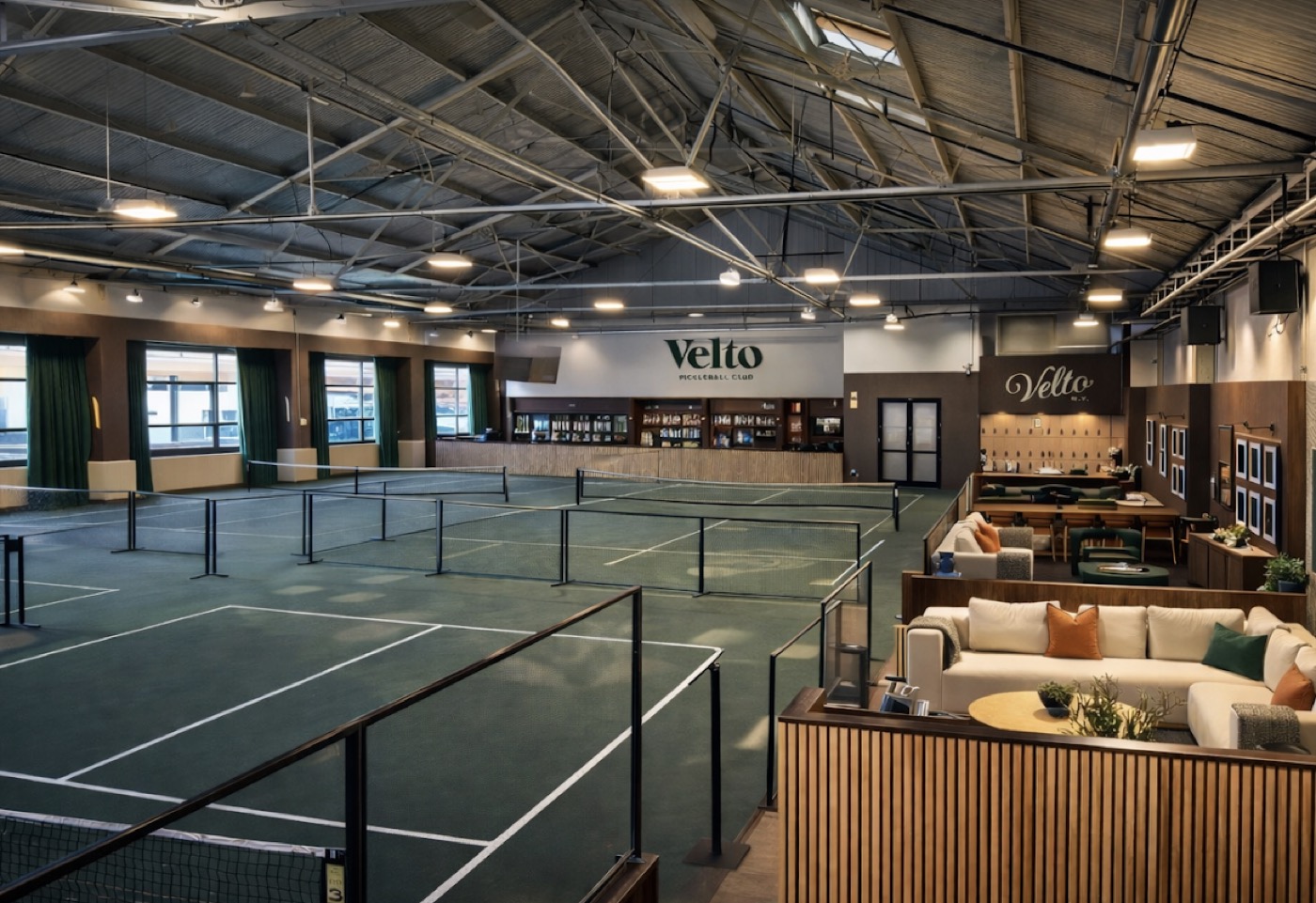
From first call to opening day.
We don't design courts. We design revenue. Every call ties back to revenue per square foot. That is the line between a facility that fills and one that stalls in year one.
Book a call.
Submit your project and we come ready.
Scope it.
We recommend the right engagement, no upsell games.
Build it around revenue.
Design, vendors, programming, brand.
Launch and ramp.
We train your team and stay through the early months.
Let's build something that actually makes money.
Tell us about your project. You will hear from us within 24 hours.